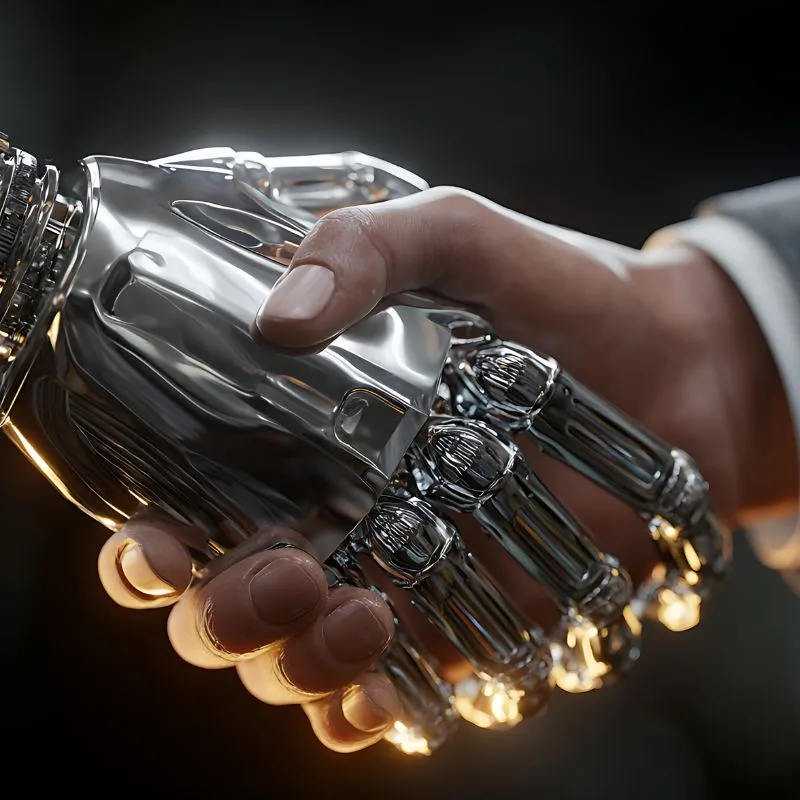
It’s no secret that artificial intelligence is changing the way many professionals work. From healthcare to finance, algorithms are helping people save time, access information, and make faster decisions. In coaching, though, the conversation around AI is different. While technology may help streamline certain tasks, it doesn’t replace the human connection at the heart of professional coaching, which is a critical part of delivering real results.
If you’re training to become a coach or already working with clients, you’re probably wondering where AI fits into this evolving space. You may have even tested some AI tools yourself. The truth is, these tools can support the work, but they can’t do the work for you. And in a self-regulated industry with a global reach, using AI in the right way is important.
Let’s take a closer look at where artificial intelligence fits into coaching, what it can’t do, and why emotional intelligence still leads the way.
Why Emotional Intelligence Remains Core to Coaching
At the foundation of coaching is trust. Coaches build this trust through active listening, empathy, and always being present for their clients. These qualities are uniquely human and not programmable. And only a human can utilize their own experiences and background to enhance the experience for clients.
Emotional intelligence allows a coach to sense what a client is not saying, picking up on subtle shifts in tone or body language. It responds to emotions with care and curiosity, not with code or pre-written suggestions.
When someone is in the middle of a career change, processing burnout, or building a new identity, they don’t just need good questions, they need to feel seen. This emotional connection helps someone shift from surface-level awareness to meaningful transformation. That kind of relationship can’t be built through data analysis alone.
When you take the steps to become a certified professional coach, you’ll learn everything you need to build real trust, work with emotions, and stay fully present.
Professional Coaches vs. AI: What Humans Do Better
To say that AI is impressive is a big understatement. It can analyze thousands of conversations, summarize key points, and make logical connections, all in the blink of an eye. And while this kind of performance is certainly helpful, there’s a lot more to it. Coaching isn’t about speed or information; it’s about reflection, space, and growth. Even trying to fast-track your own coach training can have negative implications if you skip too many important components.
Here’s what human coaches bring to the conversation:
- Intuition – You can sense shifts in energy and ask questions that move beyond the obvious.
- Context – You bring knowledge of your client’s values, beliefs, and goals into each session.
- Ethics and judgment – You make choices based on lived experience, not probability.
- Presence – You hold space during silence, emotion, and conflict without rushing to fix or solve.
Coaching is less about giving answers and more about helping people find their own. AI can offer advice, but it doesn’t know when to pause, when to dig deeper, or when to just let the moment land.
The Limits of AI in Understanding Human Emotions
Natural language processing helps AI understand the words we say. But high-quality coaching often happens just as much between the words.
A client might say, “I’m fine,” but a coach can hear the hesitation in their voice or see the discomfort in their posture. These non-verbal cues shape how the coach responds. AI might flag the phrase as neutral. A properly trained coach knows there’s more to explore.
Even when AI tries to respond with empathy, the responses often feel scripted because there’s no real awareness behind them. Emotional intelligence allows a coach to offer validation without judgment. It creates a safe space for clients to be vulnerable, which is where the real work happens.
How AI Can Complement, Not Replace, Coaching
AI isn’t the enemy, and if you treat it like one, you may end up getting left behind. Used wisely, it can support your coaching practice and set you apart from people who just claim to be a coach, giving you back valuable time to focus on your clients.
Here are some useful ways AI tools can support your workflow:
- Note-taking or transcription – Helps capture sessions so you can stay present and review later.
- Pattern recognition – Identifies common themes across sessions for reflection or supervision.
- Resource suggestions – Offers articles, models, or prompts based on the client’s goals.
These tools work best behind the scenes. They’re not meant to lead the session, but to support it. You still decide what matters most, how to respond, and what questions to ask next.
If you’re coaching in an organizational setting, AI might also help track progress across teams or support reporting needs. But the core interaction still relies on the coach’s ability to relate, reflect, and respond in real time.
Preparing for the Future: AI, Ethics, and Professional Standards
As AI becomes more common, the role of the coach is shifting, but not disappearing. Coaches will need to understand how to use technology ethically and when to draw the line.
The International Coaching Federation (ICF) has a carefully detailed code of ethics that all coaches should follow to help guide them through any situations that may be unclear.
At Canada Coach Academy, we prepare our students for this shift by weaving discussions about ethics and emerging tools into our certification programs. Our programs aren’t just about passing an exam; they’re about preparing to coach in a complex, changing world.
Coaches who understand the role of technology will be better positioned to serve their clients with confidence and clarity. That means being tech-aware, but not tech-dependent, and it’s applicable whether you train to become a life coach, executive coach, or a leadership coach.
Building a Coaching Practice That Stays Human-Centered
You already know that clients are searching for more than productivity hacks. They want clarity, direction, and support from someone who gets it. They want to talk to someone who listens without distraction. They want someone who can ask the question they didn’t know they needed.
That’s why coaching continues to grow, even with AI tools on the rise. The human experience can’t be replaced in coaching by AI.
If you’re thinking about becoming a coach, or sharpening your skills, now is a good time to start. You’ll learn how to work with both the head and the heart. You’ll develop a toolkit that supports your clients, and a mindset that supports your growth.
And you’ll be part of a global coaching community that values people over programs. If you’re already a coach, we also offer a variety of intensive training programs that can help boost your skills in areas such as motivation, grief, compassion, and team coaching.
Next Steps: Coaching and AI
If this conversation about AI and coaching sparked questions for you, here’s how to take action:
1. Explore our Coaching Certification Programs – Learn how we prepare coaches to lead with emotional intelligence, ethics, and real-world application.
2. Read the ICF Core Competencies – Understand what professional standards look like in today’s coaching landscape.
3. Stay informed – Follow coaching publications, coaching podcasts, webinars, and thought leaders discussing AI and its impact on helping professions.
There’s no question that coaching is evolving, but its heart remains the same: connection, curiosity, and care. No matter how advanced AI becomes, it can’t replace the value of being fully human with another human.
And that’s exactly where coaching thrives. Reach out to us anytime to explore our programs and learn more about what we have to offer.