
Every coach experiences it at some point; that sense that you’re not moving forward. You may still be helping your clients, but inside, something feels paused. The tools you’ve relied on might not feel as effective. Your energy may feel lower, or your curiosity has faded. When that happens, it’s often a sign it’s time to focus on your own development.
At Canada Coach Academy, we’ve seen how investing in self-development for coaches brings momentum, clarity, and confidence back into your work. And in a field built on transformation, your growth matters just as much as your clients’.
What Does Self-Development Look Like for a Coach?
Self-development isn’t about fixing something that’s broken. It’s about staying connected to who you are as a coach and who you’re becoming. That process looks different for everyone. Some coaches invest in new certifications. Others read, journal, or work with a mentor coach. Many explore specialized micro training intensives to strengthen a specific area of practice.
Here are some ways you may choose to lean into growth:
- Revisit the ICF Core Competencies with fresh eyes.
- Seek feedback from peers or mentor coaches.
- Explore new coaching models or frameworks.
- Practice deeper levels of self-awareness.
- Expand into a niche or new population.
Self-development is active. It asks you to pause, reflect, and choose your next step with purpose.
Recognizing the Signs of Stagnation in Your Coaching Practice
If you’ve been involved in any type of growth-focused activity, you know that it can stall without warning. You may not notice it until your work starts to feel more like routine than transformation. Your sessions might still feel productive, but they may lack the depth or connection you used to experience.
Here are a few signs that may suggest it’s time to invest in your own development:
- You feel less energized after coaching sessions.
- Your curiosity with clients is lower than usual.
- You rely on the same techniques, even when they don’t spark change.
- You find it hard to articulate your own coaching identity.
- You’ve stopped asking yourself questions about your growth.
None of these signs means you’re doing anything wrong. They’re just signals, and they’re often temporary, but only if you respond to them. Self-development can renew your sense of purpose and reignite your work.
Why Ongoing Growth is Essential for Credibility and Confidence
Coaching is not static. Clients grow, expectations shift, and the landscape of coaching itself evolves. Staying current with your skills and knowledge is more than a professional requirement; it’s how you build trust with your clients and with yourself.
Credibility doesn’t just come from past training. It comes from your commitment to learning. When clients know you’re engaged in your own growth, they see you as someone who values mastery, not just comfort. That trust shows up in the way they respond to your questions, your feedback, and the space you hold for them.
Confidence also follows growth. When you stretch into new material or refine your skillset, you coach with more presence and flexibility. You can meet clients with fresh eyes and offer stronger support.
At Canada Coach Academy, we offer several intensive training programs for coaches that are built to help you go deeper in your work while aligning with the ICF’s call for continued learning.
Micro Training Opportunities That Spark Growth
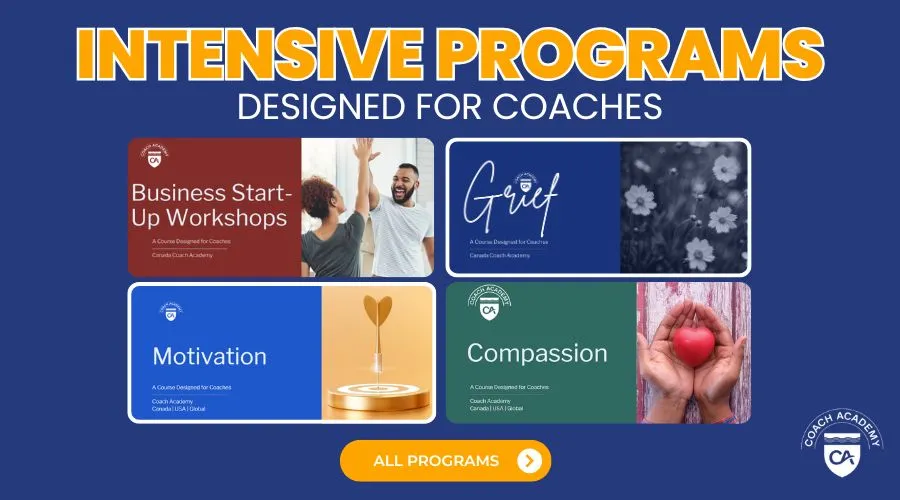
Sometimes a small, focused learning opportunity can unlock something big. We’ve designed micro training intensives such as coaching with compassion, business coaching workshops, and grief coaching workshops, to give practicing coaches exactly that: targeted, practical support in areas that often shift how you show up in session.
Each intensive focuses on one specific skill or concept. Sessions are interactive, grounded in the ICF Core Competencies, and created for coaches who want to sharpen their practice without enrolling in another full certification. These trainings are perfect for when you feel stuck and want something to shift in your approach.
By choosing a focused area of development, you’ll give yourself a fresh lens. You also re-engage with your identity as a learner, which is vital for longevity in this field.
What Happens When Coaches Stop Growing
When coaches neglect their own development, the results usually show up in the work. Sessions may feel repetitive. Client breakthroughs may become fewer. And most of all, the coach may begin to question their purpose or effectiveness.
Over time, this can impact confidence and clarity. Without new learning, it’s easy to lose connection to the core values that brought you into coaching in the first place. This doesn’t just affect the coach, it can affect the client experience too.
Ongoing learning isn’t just good practice. It’s necessary if you want to continue making an impact and staying rooted in integrity.
How to Get Started When You’re Feeling Flat
If your growth feels stalled, you don’t have to make a huge move to get it going again. One small decision can kickstart the whole process.
Here are a few steps that can help:
- Read the ICF Core Competencies and notice what you’re curious about.
- Explore Canada Coach Academy’s intensive training programs and choose one that fits your current needs.
- Schedule a session with a mentor coach or peer to reflect on your practice.
- Set a learning goal for the next 90 days.
Small, steady steps are just as powerful as big leaps. The goal is to reconnect with your purpose, sharpen your skills, and create new momentum in your coaching life.